

"I have always loved parrots. As a child, I longed for one of my own, to travel everywhere with me on my shoulder. That was until I learned more about them."
- Jane Goodall
Must Knows
Parrots can be difficult and high maintenance
Parrots are notorious for being loud and destructive. They can be very intelligent and require a significant amount of attention and effort to keep them happy. When cared for properly, they can make great companions, but if not properly cared for, they can become aggressive, unpredictable, and difficult to manage. Parrots are non domesticated, exotic animals and should be understood as such. Parrots are one of the most re-homed pets - please remember this if you are looking into bringing a parrot into your home, and we encourage you to check out rescues before breeders.


What to consider before adding a parrot to your family
Lifestyle
Changes/ Toxins
Birds have air sacs and lungs that are different from humans. This means they cannot filter toxins through the air the same way that we humans can. Birds also have the most efficient respiratory tract of all animals, which makes them more susceptible to toxic elements in the air (Parrot Stars, 2025). This is where the canary in the mines trick comes from! Below is a list of things that should not ever be used, sprayed, smelled, etc. around your bird, under any circumstances:
- Aerosol sprays
- Burnt/smoking oil, butter, or other cooking materials
- Fumes from self cleaning ovens
- Nonstick pans (Teflon or other nonstick coatings emit fumes when they get hot, aka, when you use them, and even more so when they burn)
- Paint fumes
- Cigarette smoke
- Candles
- Oil diffusers
- Air fresheners
- Perfumes/Cologne
- Or anything else that burns/emits fumes/smells etc.
Exposing your bird to these things will shorten their lifespan drastically. It is not an option to keep these things in your home with a pet bird.
If an accident happens, immediately remove your bird from the space with the toxins and vent out the room/house to the best of your ability. Accidents happen, so having a plan for what to do if your cooking pan starts burning is always a good idea!
Diet
Diet is a top priority for birds. They require a balanced pellet diet (usually), fresh "chop" daily (fresh vegetables and some fruits), and nut and seed mixes. Their food can become quite expensive and time consuming to prepare.
Leaving Town
While you may love your bird, not everyone does! Having a plan for boarding/pet sitting when you choose to go out of town or if you have an emergency is important. Most dog and cat boarding facilities will not take birds, and even if they do, that does not mean they should be taking birds or that they know how to properly care for them. Many accidents to birds happen while being "pet sat" (Parrot Stars, 2025). Finding a place that you trust to bring them to, or a person you trust to come to your home to care for them will be something to consider before bringing a bird into your family.
Household Dangers
There are other concerns around your home besides toxins. If your bird is roaming around the house, ceiling fans need to be turned off, no one should be cooking, windows and doors should all be closed, windows should be marked with tape so they don't fly into them, other pets should be monitored around your bird, etc. And for your birds safety, they should never be free roaming if nobody is home (Parrot Stars, 2025)!
Vet Care
Avian vets are not as common as dog and cat vets. Make sure you will have a reliable avian vet who is able to do more than just checkups. Birds are masters at hiding when they are sick - by the time you know they are sick, it's usually pretty bad and you will need to visit your vet right away. That is not the time to be looking for an avian vet. Plan ahead and build a relationship with an avian vet prior to an accidents or emergency!

Subspecies of Parrots
Every subspecies has different personalities, care requirements, life expectancy, susceptibility to problems, etc.. Make sure to check out all the different species to see which would be the best match for your personality, lifestyle, budget, and environment! We have listed many species here, but this list does not include every species of parrot, as there are approximately 400 species of parrots. If you are looking at getting a hybrid species, we recommend looking at the traits and care needs of the species that your hybrid is a mix of.


Amazon Macaws
Lifespan: 60 years
Size: Large
Scientific Name: Amazona (genus)
Natural Habitat: Central and South America
Conservation Status (IUCN): subspecies ranging in status (NT - CE)

Black Palm (Goliath) Cockatoo
Lifespan: 80 years
Size: Extra Large
Scientific Name: Probosciger aterrimus
Natural Habitat: Papua New Guinea, Australia
Conservation Status (IUCN): Near Threatened - decreasing population trend

Blue and Gold Macaw
Lifespan: 70
Size: Large
Scientific Name: Ara ararauna
Natural Habitat: South America
Conservation Status (IUCN): Least Concern - decreasing population trend

Blue Headed Macaw
Lifespan: 40 years
Size: Medium
Scientific Name: Primolius couloni
Natural Habitat: South America
Conservation Status (IUCN): Vulnerable - decreasing population trend

Blue Hyacinth Macaw
Lifespan: 70 years
Size: Extra Large
Scientific Name: Anodorhynchus hyacinthinus
Natural Habitat: South America
Conservation Status (IUCN): Vulnerable - decreasing population trend

Blue Throated Macaw
Lifespan: 60 years
Size: Large
Scientific Name: Ara glaucogularis
Natural Habitat: Bolivia
Conservation Status (IUCN): Critically Endangered - stable population trend
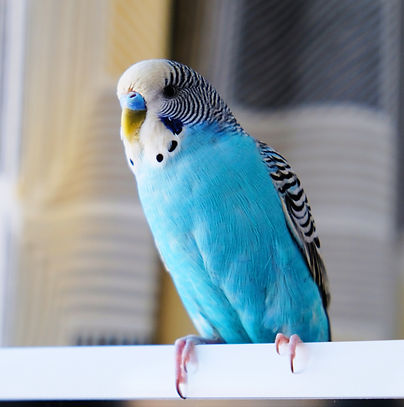
Budgee
Lifespan: 15 years
Size: Extra Small
Scientific Name: Melopsittacus undulatus
Natural Habitat: Australia
Conservation Status (IUCN): Least Concern - increasing population trend

Caique
Lifespan: 35 years
Size: Small
Scientific Name: Pionites melanocephalus
Natural Habitat: South America
Conservation Status (IUCN): Least Concern - stable population trend

Cape Parrot
Lifespan: 30 years
Size: Medium
Scientific Name: Poicephalus robustus
Natural Habitat: South Africa
Conservation Status (IUCN): Vulnerable - stable population trend

Cockatiel
Lifespan: 20 years
Size: Small
Scientific Name: Nymphicus hollandicus
Natural Habitat: Australia
Conservation Status (IUCN): Least Concern - stable population trend

Conure (small)
Lifespan: 30 years
Size: Small
Scientific Name: Aratinga solstitialis (sun conure)
Natural Habitat: South America (sun conure)
Conservation Status (IUCN): Subspecies ranging in status (LC - EN)

Eclectus
Lifespan: 40 years
Size: Medium
Scientific Name: Eclectus roratus
Natural Habitat: Indonesia
Conservation Status (IUCN): Least Concern - decreasing population trend

Galah (Rose Breasted) Cockatoo
Lifespan: 40 years
Size: Medium
Scientific Name: Eolophus roseicapilla
Natural Habitat: Australia
Conservation Status (IUCN): Least Concern - increasing population trend

Goffin Cockatoo
Lifespan: 40 years
Size: Medium
Scientific Name: Cacatua goffiniana
Natural Habitat: Indonesia
Conservation Status (IUCN): Near Threatened - decreasing population trend

Golden Conure (medium)
Lifespan: 40 years
Size: Medium
Scientific Name: Guaruba guarouba
Natural Habitat: Brazil
Conservation Status (IUCN): Vulnerable - decreasing population trend

Green Wing Macaw
Lifespan: 70 years
Size: Large
Scientific Name: Ara chloropterus
Natural Habitat: South America
Conservation Status (IUCN): Least Concern - decreasing population trend

Hahns Macaw
Lifespan: 40 years
Size: Medium
Scientific Name: Diopsittaca nobilis
Natural Habitat: South America
Conservation Status (IUCN): Least Concern - stable population trend

Illegers (Blue Wing) Macaw
Lifespan: 50 years
Size: Medium
Scientific Name: Primolius maracana
Natural Habitat: South America
Conservation Status (IUCN): Near Threatened - decreasing population trend

Indian Ringneck
Lifespan: 30 years
Size: Small
Scientific Name: Psittacula krameri
Natural Habitat: India, Africa
Conservation Status (IUCN): Least Concern - increasing population trend

Long Billed Cockatoo
Lifespan: 50 years
Size: Medium
Scientific Name: Cacatua tenuirostris
Natural Habitat: Australia
Conservation Status (IUCN): Least Concern - increasing population trend

Lorikeet
Lifespan: 35 years
Size: Small
Scientific Name: Trichoglossus haematodus
Natural Habitat: Indonesia, Papua New Guinea
Conservation Status (IUCN): Least Concern - decreasing population trend

Love Bird
Lifespan: 20 years
Size: Extra Small
Scientific Name: Agapornis (genus)
Natural Habitat: Africa. Madagascar
Conservation Status (IUCN): subspecies range in status (LC - NT)

Major Mitchells (Pink) Cockatoo
Lifespan: 60 years
Size: Large
Scientific Name: Lophochroa leadbeateri
Natural Habitat: Australia
Conservation Status (IUCN): least Concern - stable population status

Military Macaw
Lifespan: 60 years
Size: Large
Scientific Name: Ara militaris
Natural Habitat: Mexico, South America
Conservation Status (IUCN): Vulnerable - decreasing population status

Moluccan Cockatoo
Lifespan: 70 years
Size: Extra large
Scientific Name: Cacatua moluccensis
Natural Habitat: Indonesia
Conservation Status (IUCN): Endangered - decreasing population status

Pionus
Lifespan: 40 years
Size: Small
Scientific Name: Pionus senilis
Natural Habitat: Central America
Conservation Status (IUCN): Least Concern - decreasing population status

Quaker Parrot
Lifespan: 30 years
Size: Small
Scientific Name: Myiopsitta monachus
Natural Habitat: South America
Conservation Status (IUCN): Least Concern - increasing population trend

Red Tailed Cockatoo
Lifespan: 70 years
Size: Large
Scientific Name: Calyptorhynchus banksii
Natural Habitat: Australia
Conservation Status (IUCN): Least Concern - decreasing status

Scarlet Macaw
Lifespan: 70 years
Size: Large
Scientific Name: Ara macao
Natural Habitat: Central America, South America
Conservation Status (IUCN): Least Concern - decreasing population status

Senegal Parrot
Lifespan: 40 years
Size: Small
Scientific Name: Poicephalus senegalus
Natural Habitat: Africa
Conservation Status (IUCN): Least Concern - decreasing population status

Severe Macaw
Lifespan: 50 years
Size: Large
Scientific Name: Ara severus
Natural Habitat: South America
Conservation Status (IUCN): Least Concern - decreasing population status

Shortbill / Bare Eyed Cockatoo
Lifespan: 60 years
Size: Medium
Scientific Name: Cacatua sanguinea
Natural Habitat: Australia
Conservation Status (IUCN): Least Concern - increasing population status

Solomons Cockatoo
Lifespan: 50 years
Size: Medium
Scientific Name: Cacatua ducorpsii
Natural Habitat: Papua New Guinea
Conservation Status (IUCN): Least Concern - decreasing population status

Spix Macaw
Lifespan: 30 years
Size: Medium
Scientific Name: Cyanopsitta spixii
Natural Habitat: Brazil
Conservation Status (IUCN): Extinct in the Wild

Sulfur Crested Cockatoo
Lifespan: 80 years
Size: Large
Scientific Name: Cacatua galerita
Natural Habitat: Australia
Conservation Status (IUCN): Least Concern - decreasing population status

Umberella Cockatoo
Lifespan: 70 years
Size: Large
Scientific Name: Cacatua alba
Natural Habitat: Indonesia
Conservation Status (IUCN): Endangered - decreasing population status

Yellow Collared Macaw
Lifespan: 50 years
Size: Medium
Scientific Name: Primolius auricollis
Natural Habitat: South America
Conservation Status (IUCN): Least Concern - increasing population Status
Common Hybrids
These are just a select few of the many hybrid macaws that exist, as you could imagine, there are many crosses that exist, especially when you consider crossing hybrids with hybrids! Hybrids also exist within conures, cockatoos, etc., but you get the point!
Shamrock Macaw
Military x Scarlet
Harlequin Macaw
Green Wing x Blue and Gold
Jubilee Macaw
Harlequin x Greenwing
Ruby Macaw
Scarlet x Greenwing
Miligold Macaw
Military x Blue and Gold
Tropicana Macaw
Scarlet x Harlequin
Catalina Macaw
Scarlet x Blue and Gold
Camelot Macaw
Catalina x Scarlet
Maui Sunrise
Harlequin x Catalina
Contributors!
The wonderful group of people who have helped provide us with information, talked to us about animal care, and participated in our mission in creating a better world for all animals! Thank you!


Carissa Silet
Chicago, IL
Joe!
Founder & CEO of Milk and Honey Sanctuary Co., BA in Zoology, macaw parent, animal and conservation advocate

Parrot Stars
Arlington Heights, IL
Check Us Out!
Parrot organization committed to raising awareness surrounding the care of both parrots in captivity and in the wild, and enhancing aviculture through education, nutrition and conservation! We breed, hand feed, and sell companion parrots that are exclusively hatched at our very own breeding program near West Palm Beach, Florida through our storefront in Arlington Heights, Illinois.